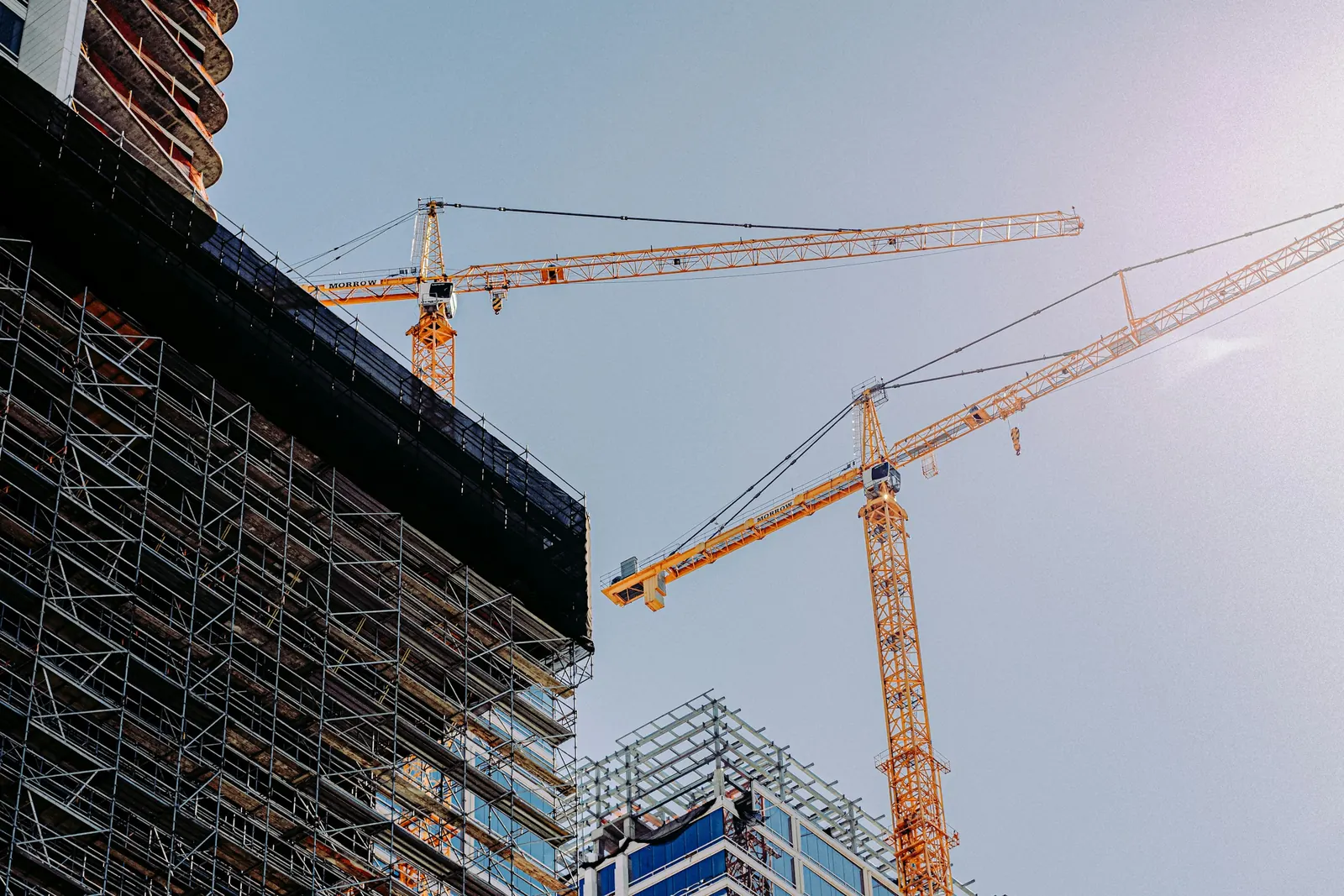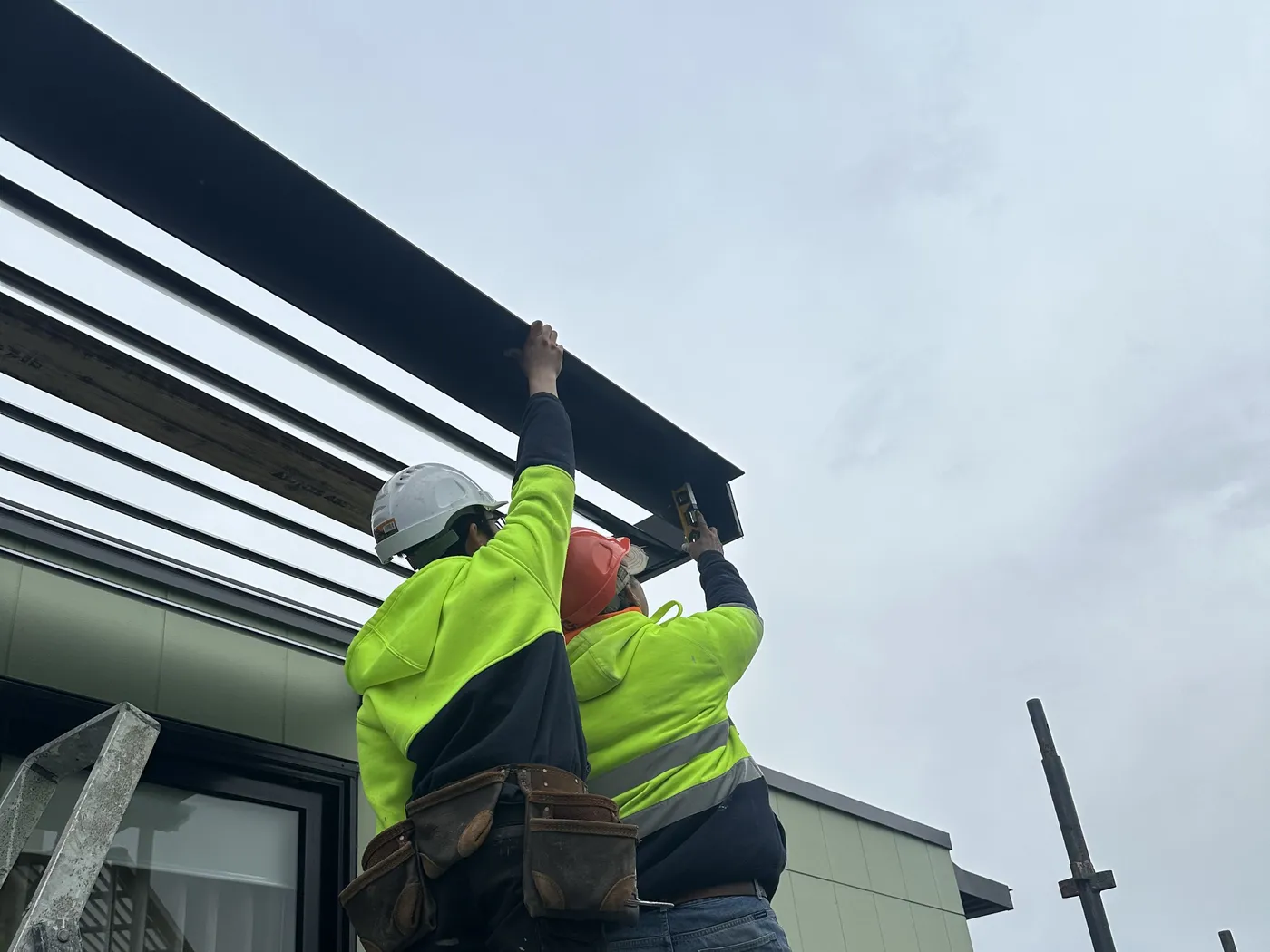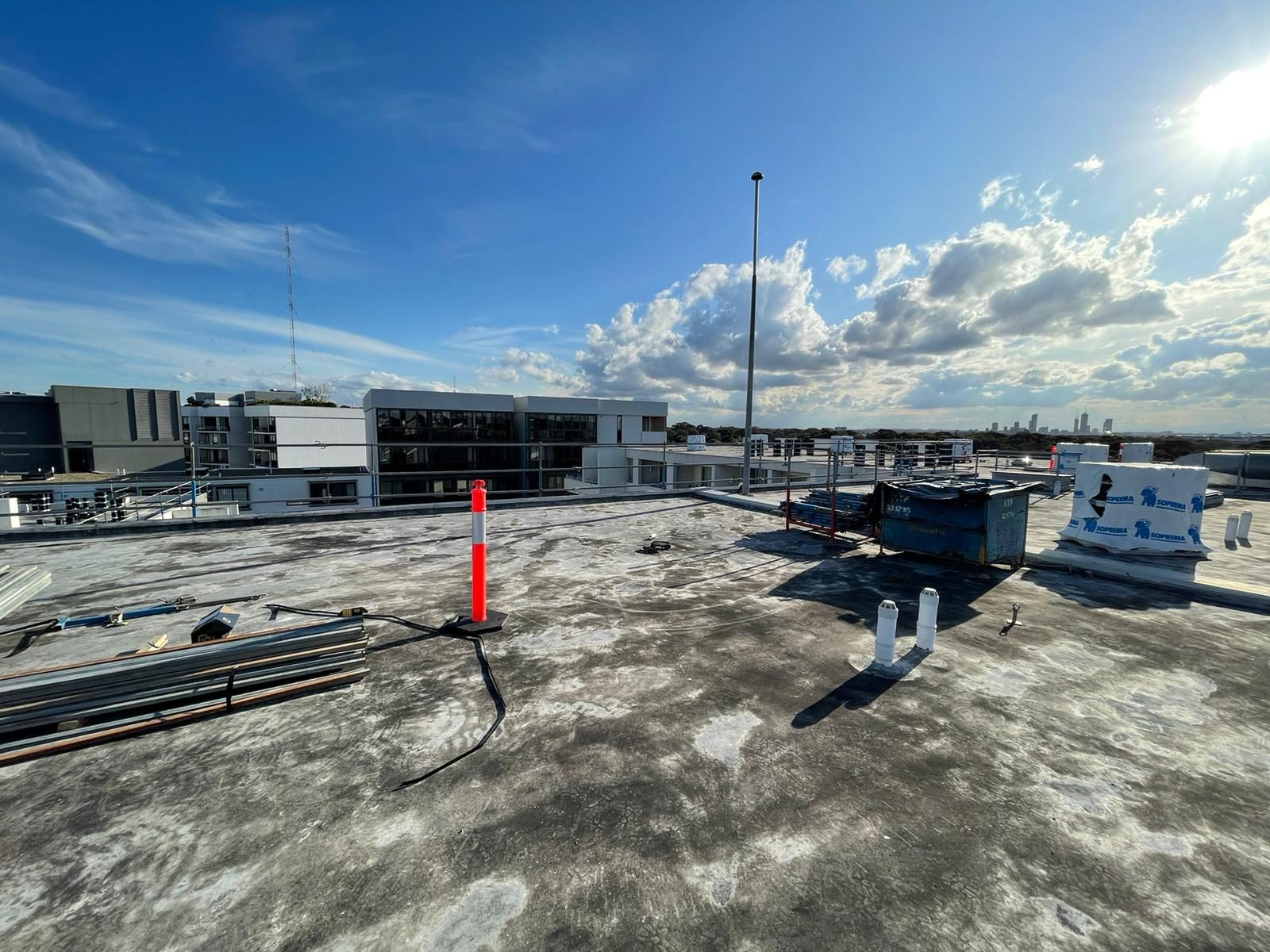
Water through a balcony slab, cracked render, rusting reinforcement, failed membranes. When a strata building needs repairs like these, committees often want to move quickly. In NSW, remedial work on apartment buildings follows a regulated process, and understanding it early can save time, cost and frustration.
This article explains in plain terms how that process works for Class 2 buildings, what has changed recently, and what committees may want to think about before work starts.
What the rules cover
NSW Government guidance on remedial building work in regulated buildings describes remedial building work as “a broad term to define work involving repair or upgrades on existing buildings, or defect rectification or corrective actions on buildings.”
Since 1 July 2021, remedial work on Class 2 buildings (residential apartment buildings) has been regulated under the Design and Building Practitioners (DBP) legislation. In its June 2026 update, Building Commission NSW confirmed that the DBP requirements continue to apply to Class 2 buildings and mixed-use buildings with a Class 2 part.
The planned extension of these requirements to remedial work on Class 3 and Class 9c buildings has been deferred. It will now commence on 1 July 2028.
Some minor work may be exempt development and fall outside these requirements. Whether a particular job is exempt depends on the work and the building, so it should be confirmed case by case.
How the regulated process works
In broad terms, regulated remedial work on a Class 2 building involves these steps:
- Design by a registered design practitioner. A registered design practitioner prepares a construction issued regulated design (CIRD) for the work. NSW Government guidance says the design should identify where the work is, show the detail at an appropriate scale, clearly separate new work from existing building elements, and include material schedules and performance specifications.
- Design compliance declarations. Design practitioners declare that their designs comply with the Building Code of Australia and relevant standards.
- Lodgement on the NSW Planning Portal. The building practitioner lodges the regulated designs and declarations on the NSW Planning Portal.
- Construction by a registered building practitioner. The work is built to the regulated designs. Variations need to be managed through the same design and declaration process.
- Building compliance declaration. The building practitioner declares whether the completed work complies, and lodges the required documents.
Building Commission NSW audits regulated work. Where work does not comply, it can issue orders, require rectification or impose penalties.
What about emergencies?
Some problems cannot wait for a full design process. NSW Government guidance allows emergency remedial work without lodging regulated designs first, but only when all of these conditions are met:
- immediate action is necessary
- there are serious impacts, or serious impacts are likely, such as the building not being usable for its purpose, a risk to health or safety, or a risk of further damage
- the work is limited to reducing those impacts until further remedial work can be carried out.
Within 7 days of completing emergency work, the building practitioner must lodge a building compliance declaration, an emergency remedial work document and a contractor document with Building Commission NSW through the NSW Planning Portal. The longer-term repair then follows the standard process.
What it means in practice for committees
The process puts design first. For an owners corporation, that usually means:
- Investigation before pricing. Without a clear understanding of the cause of a defect, it is difficult to design a durable repair or compare quotes fairly.
- Registered professionals on both sides. Check that the design practitioner and the building practitioner are registered for the type of work. Registrations can be checked online through Service NSW.
- Realistic timeframes. Allow time for investigation, design and lodgement before work starts on site.
- Clear records. Designs, declarations and completion documents become part of the building’s history and support future maintenance and capital works planning.
New strata committee members appointed from 1 October 2026 must also complete free online training within 3 months, which includes managing repairs and maintenance. See our update on the strata committee training requirement.
What committees may want to consider
This is general information, not legal or engineering advice. Before commissioning remedial work, committees may find it useful to:
- Record the issue, when it started and any previous repairs.
- Commission an investigation to identify the cause, not just the symptom.
- Confirm whether the work is regulated, exempt or emergency work with a suitably qualified professional.
- Ask practitioners how they will handle design, declarations and lodgement.
- Check that the repair is reflected in the 10-year capital works plan.
How Beams & Dreams can help
Beams & Dreams Constructions (NSW Builder Licence 397915C, Registered Building Practitioner BUP4253866) delivers remedial works and defect rectification in Sydney. We work with owners corporations, strata managers and design practitioners to plan work in a practical sequence, from investigation through to completion documentation.
Next step
If your building has a defect or remedial issue you need to plan for, contact our team to discuss the next steps.
Sources
- NSW Government: Remedial building work in regulated buildings (2026-07-06, accessed 2026-10-05)
- NSW Government: Emergency remedial building work in regulated buildings (None, accessed 2026-10-05)
- Building Commission NSW: Update on amendments to building regulations (2026-06-26, accessed 2026-10-05)
- Service NSW: Check the registration of a professional engineer, design practitioner or building practitioner (None, accessed 2026-10-05)
This article is general information only. It is not legal, financial, planning, engineering or compliance advice. Rules and timeframes can change. Check the official sources linked above and get advice from a qualified professional about your building or project.